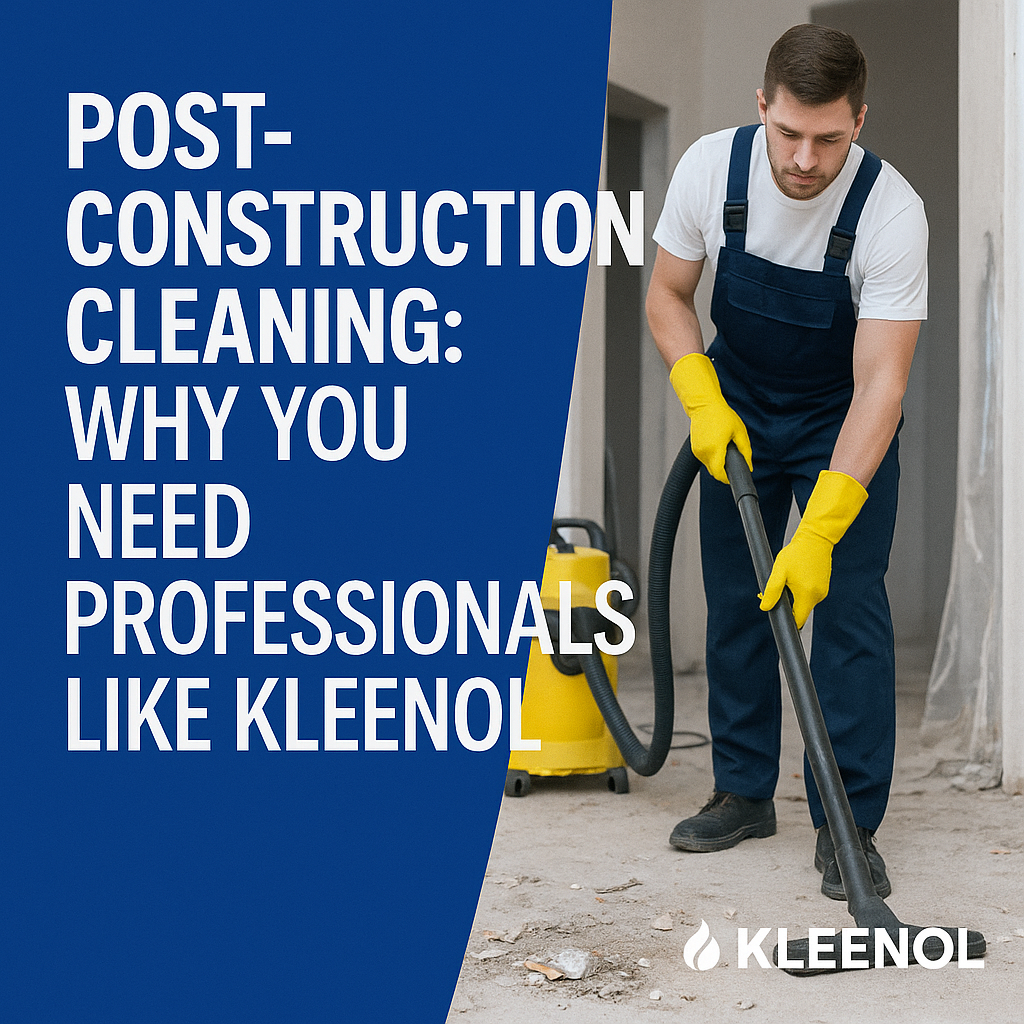
Dust clouds, scattered debris, and stubborn paint splatters are just a few of the sights left behind after a building project wraps up. Whether it’s a commercial high-rise, a new apartment block, or a home renovation, construction work inevitably creates a mess. And not just any mess, post-construction debris is a blend of fine dust particles, construction materials, adhesives, and sharp objects that require far more than a broom and mop to handle.

This is where post-construction cleaning comes in. It is a critical, specialized service designed to make a space habitable, safe, and pristine after the builders leave. While some might be tempted to cut corners and handle the task themselves or hire a regular cleaner, there’s a strong case for bringing in experts like Kleenol, Nigeria’s leading professional cleaning company.
Post-Construction Cleaning Why You Need Professionals Like Kleenol

The Reality of Post-Construction Cleaning

Post-construction cleaning isn’t your typical cleaning job. It’s detailed, methodical, and often requires industrial-grade equipment and trained personnel. Here’s what it typically involves:

  • Dust and Debris Removal: Fine dust settles on every surface, from ceilings to floorboards and inside air ducts. Left unchecked, it poses health risks, especially for people with respiratory conditions.
  • Deep Surface Cleaning: Stains, smudges, or paint drips on walls, floors, windows, and fixtures often remain, requiring special solvents and techniques to remove them safely.
  • Sanitization: Newly built or renovated spaces still harbor bacteria and toxins. Sanitizing ensures the environment is safe and hygienic.
  • Safe Waste Disposal: Broken tiles, leftover insulation, nails, and glass must be handled and disposed of according to safety and environmental standards.
  • Air Quality Improvement: Post-construction air is often filled with tiny particles that linger in HVAC systems and on surfaces. Professionals use HEPA-filter vacuums and purifiers to address this.

Reasons Professional Post-Construction Cleaning Matters

1. Health and Safety First

Construction dust may contain harmful substances such as silica, asbestos, or chemical residues. You risk exposure to allergens, respiratory hazards, and injuries without proper protective equipment and training. Professionals are equipped with the tools and knowledge of how to work safely in such environments.

2. Time-Saving

For property developers, facility managers, or homeowners eager to begin enjoying a newly completed space, time is of the essence. Professionals can complete the cleaning quickly and efficiently, allowing you to meet deadlines or move in without delay.

3. Attention to Detail

No detail is too small, from cleaning behind radiators to polishing light fixtures and removing paint from delicate surfaces. A professional crew knows exactly what to look for and how to restore your space to showroom-ready condition.

4. Proper Equipment and Eco-Friendly Products

Post-construction cleaning often requires industrial-strength vacuums, scrubbers, and eco-friendly cleaning agents that won’t damage sensitive materials. These aren’t items most people have on hand, and they’re not cheap.

Benefits of Using Kleenol for Your Post-Construction Cleaning 

Among the many cleaning companies in Nigeria, Kleenol has distinguished itself as the go-to choice for post-construction cleaning, and with good reason.


1. High Experience and Expertise

Kleenol boasts of many years of experience in Nigeria’s cleaning landscape. That longevity is a testament to their ability to adapt, deliver consistently high-quality service, and remain relevant in a competitive market. Experience means they’ve cleaned everything from luxury hotels to large commercial buildings, and they understand the specific demands of the Nigerian construction industry.


2. Professional Personnel

Cleaning may sound simple, but effective post-construction cleaning requires technical know-how. Kleenol invests heavily in training its staff to international standards. Their team understands how to handle hazardous materials, use industrial equipment, and work with other on-site contractors.

3. Modern Equipment and Sustainable Practices

Kleenol uses state-of-the-art cleaning equipment that rivals that of international contractors. More importantly, it is committed to environmentally responsible cleaning practices. It uses biodegradable products where possible and has protocols for safe waste disposal that comply with Nigerian and international standards.

Their eco-friendly approach is particularly appealing to corporate clients and developers who are keen to maintain green building certifications or promote sustainability.

4. Custom Solutions

No two construction sites are alike. A hotel building will have vastly different cleaning needs from a residential estate or a retail outlet. Kleenol offers customized cleaning plans based on your project’s size, complexity, and timeline. Whether it’s a multi-phase cleaning contract during different construction stages or a one-time deep clean, they’re flexible and responsive.

5. Quality Assurance and Customer Service

At Kleenol, it’s not just about cleaning but about delivering an experience. Their quality control team routinely inspects work sites to ensure standards are met, and their customer support is responsive, attentive, and solution-oriented. They take feedback seriously and constantly strive to exceed expectations.


Conclusion 

Construction projects often consume significant time, money, and effort. After months (or years) of planning and building, the final presentation of that space deserves the same level of attention. Cutting corners on post-construction cleaning is like leaving a masterpiece in a dusty frame—it just doesn’t do it justice.

By hiring professionals like Kleenol, you’re not just cleaning a building but preparing it to shine. You’re protecting your investment, impressing clients, and ensuring a healthy environment for everyone who steps foot inside.


A clean environment is more than just visually appealing—it promotes health, enhances mood, and increases productivity. Maintaining cleanliness should always be a top priority, whether it’s your home, office, or commercial space. However, not all methods are created equal when it comes to cleaning. You’ve likely come across the terms regular cleaning and deep cleaning, but what do they really mean? More importantly, what sets them apart?

Let’s explore the key differences between these two types of cleaning and uncover why both play vital roles in creating a hygienic and refreshing environment.

Deep Cleaning vs Regular Cleaning 

Most households do regular cleaning on a routine basis. It is the kind of upkeep designed to maintain a level of cleanliness throughout the week. Think of it as the surface-level effort—quick, consistent, and focused on areas that are used the most. Deep cleaning, by contrast, is a more thorough and comprehensive process. It targets the grime that accumulates over time, the dirt that hides in forgotten corners, and the buildup that’s too stubborn for your everyday scrub.

Deep Cleaning vs Regular Cleaning What’s the Difference

Differences Between Deep Cleaning and Regular Cleaning 

Frequency and Intent

Regular cleaning is done often, daily, or weekly. It includes vacuuming, dusting, wiping surfaces, and removing trash. These chores are essential, but their goal is maintenance rather than transformation. They prevent dirt from building up and ensure your home appears tidy daily.

Meanwhile, deep cleaning is more of a special operation, typically scheduled less frequently—every few months or perhaps with the changing seasons. Its purpose is to eliminate the layers of dirt and bacteria that regular cleaning cannot reach. This process goes beyond aesthetics and dives into sanitation. It doesn’t just make a home look good; it makes it genuinely clean.


Covered Areas in Cleaning 

The kitchen provides a clear example of how the two differ. Regular cleaning means wiping down countertops, sweeping the floor, and cleaning dishes. But deep cleaning? That means pulling out appliances like the fridge or oven to clean behind and underneath them. It means scrubbing inside the microwave, degreasing the range hood, and even cleaning light fixtures. Deep cleaning reveals the areas that are usually ignored but are often the dirtiest.

Bathrooms tell a similar story. With regular cleaning, the toilet bowl gets a quick scrub, the mirror gets a wipe, and the floor might see a mop. In deep cleaning, every inch of the bathroom is disinfected. If necessary, grout is scrubbed with a toothbrush, lime scale is removed from faucets, and showerheads are descaled. It’s the difference between tidy and truly purified.

Time Investment 

Regular cleaning, as part of routine maintenance, tends to be quicker. Depending on their size and usage, you might spend an hour or so tidying up a few rooms. Deep cleaning, on the other hand, is time-intensive. It can take several hours—or even a full day—depending on how detailed the job needs to be. That is because deep cleaning is all about detail. It means dusting baseboards, washing walls, cleaning vents, and perhaps even shampooing carpets.


Tools and Products

Regular cleaning typically involves a standard set of supplies—a multi-surface cleaner, vacuum, mop, and paper towels. However, for deep cleaning, you might need stronger cleaning agents, specialized brushes, steam cleaners, or even professional equipment. For instance, while a broom works fine for regular cleaning, a high-powered vacuum or steam mop might be necessary for deep cleaning rugs and upholstery.


Costing 

Cost concerns are a major factor in deciding between deep cleaning and regular cleaning. Deep cleaning usually entails a more involved and thorough procedure, which might raise prices. This is because addressing areas that are frequently missed during typical cleaning sessions takes more time, effort, and resources.  

On the other hand, regular cleaning is typically less expensive because it emphasizes keeping things tidy and clean regularly. Knowing the costs associated with deep cleaning versus routine cleaning can help people make well-informed decisions based on their unique demands and financial limits.


Health and Hygiene Benefits 

It is important to understand the health and hygienic advantages of deep cleaning vs. regular cleaning. Frequent cleaning helps keep things neat by removing dust and debris from the surface, lowering allergies, and enhancing air quality. However, deep cleaning targets hidden dirt and bacteria that can build up over time, going beyond the surface. 

A comprehensive approach can greatly decrease the number of germs and other allergens in the living area, making the living area healthier. By being aware of the distinctions between deep cleaning and routine cleaning, people can better appreciate the ways in which deep cleaning and routine cleaning contribute to general health and hygiene.


Impact on the Environment 

The decision between deep cleaning and regular cleaning is important when considering how it will affect the atmosphere in your house. Regular cleaning helps keep a room neat and orderly by removing surface-level debris and clutter. 

On the other hand, deep cleaning explores all the nuanced areas, focusing on allergens and hidden dirt that may impact air quality and general health.  In the end, the choice between thorough cleaning and routine cleaning affects the cleanliness and freshness of your living area, making your house cosier and more comfortable.


Why You Need Deep Cleaning and Regular Cleaning 

You wouldn’t skip brushing your teeth just because you visit the dentist twice a year. Likewise, deep cleaning doesn’t replace regular cleaning—it complements it. Regular cleaning keeps things livable and manageable, while deep cleaning restores cleanliness to a foundational level.

Having both in your routine ensures that dirt never gets out of hand and your home or workspace stays clean. But if your tight schedules don’t give you enough time to clean your home or office, you can hire a professional cleaning service like Kleenol to help you clean your space.


Conclusion 

Understanding the difference between deep cleaning and regular cleaning helps you make smarter choices about maintaining your spaces. Regular cleaning is your day-to-day defender, while deep cleaning is the powerhouse refresh that resets everything.

Integrating both into your lifestyle, whether you DIY or bring in professionals, is the best way to ensure your environment stays sparkling, safe, and satisfying. A cleaner space is a healthier, happier place—and it’s worth every effort.

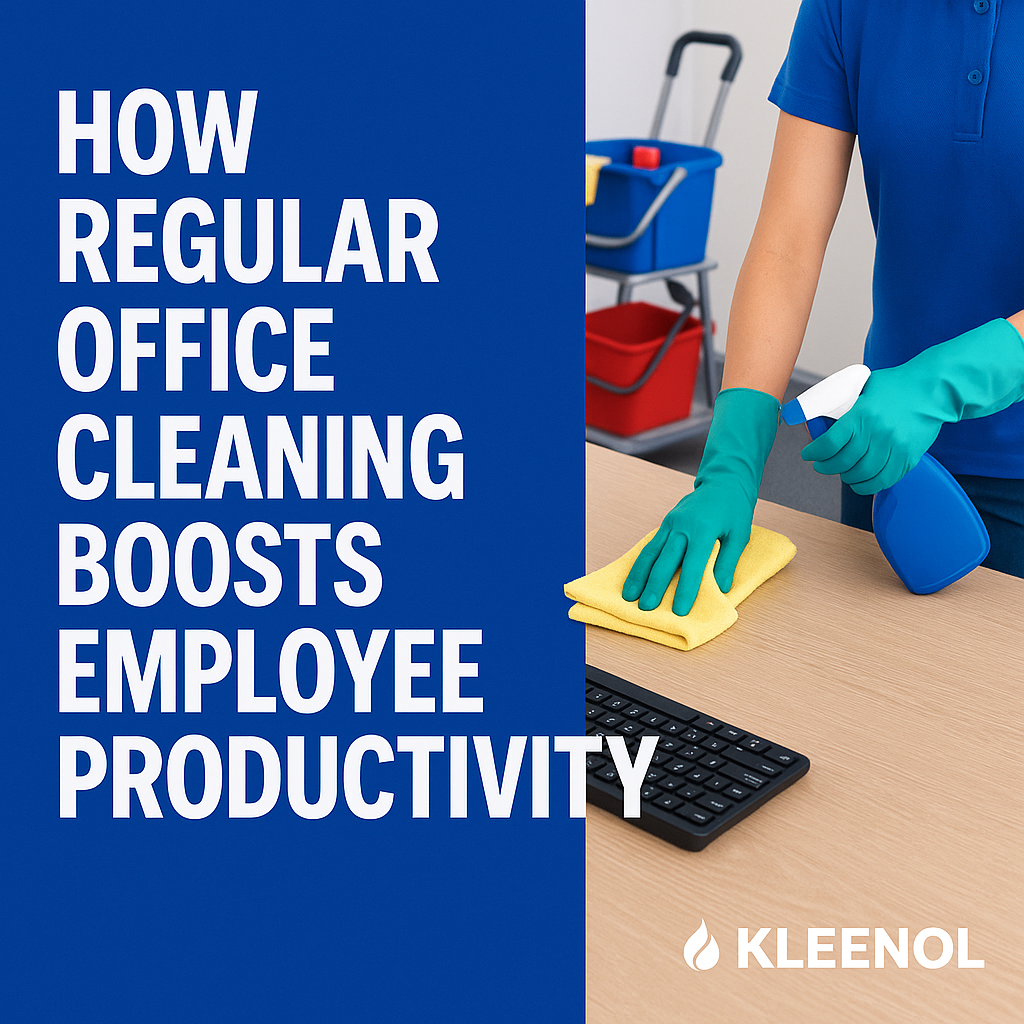
A cluttered desk might be a sign of genius to some, but when it comes to office spaces, cleanliness is far more than an aesthetic preference—it’s a productivity multiplier. From the fresh scent of disinfected surfaces to the psychological comfort of a dust-free workstation, the impact of a clean office goes far beyond appearances. It shapes the mindset, behavior, and performance of everyone who walks through the doors each morning.

Yet, achieving and maintaining that level of cleanliness is no small task, especially in fast-paced workplaces. This is where professional cleaning services like Kleenol come in, turning ordinary offices into well-maintained powerhouses of efficiency.


The Hidden Cost of a Dirty Office

Workplaces naturally attract dust, germs, and clutter. Dirts like coffee stains on desks, crumbs in keyboards, smudged windows, or overflowing trash bins might initially seem trivial. But when these parts are not properly cleaned, they erode morale and productivity.

Studies show that a messy or unhygienic workspace contributes to higher stress levels, more sick days, and even lower job satisfaction. Employees are less likely to feel motivated in an environment that looks and feels neglected. So if your team is constantly distracted by mess or discomfort, their focus and drive suffer.

Imagine having clean floors, sanitized bathrooms, gleaming breakrooms, and tidy desks. The psychological signal is immediate, as this is a place where standards matter. Cleanliness communicates professionalism and pride, inspiring employees to bring their best selves to work and, by extension, earn clients’ satisfaction.


Ways Regular Office Cleaning Increases Productivity at Work

1. Fewer Sick Days, More Work Days

Office spaces are breeding grounds for germs. Keyboards, doorknobs, breakroom appliances, and conference tables can quickly attract bacteria and viruses. Research shows that the average office desk harbors more germs than a toilet seat. What then happens? More sick employees, more absenteeism, and a significant drop in productivity.

Regular cleaning—especially of high-touch surfaces—reduces the spread of illnesses such as colds, flu, and even foodborne bacteria. A clean office doesn’t just look good; it’s healthier. And when employees are healthy, they’re present, energized, and more engaged.

Moreover, during cold and flu season, proactive deep cleaning can be a game-changer. When cleaning is consistent and thorough, companies often notice a drop in sick days. That’s not just a win for the individuals who stay well—it’s for overall team continuity and productivity.


2. Less Clutter, More Focus

Have you ever tried working at a desk piled high with paperwork, leftover lunch wrappers, tangled cords, and random sticky notes? It’s like trying to think clearly in the middle of chaos. Cluttered environments have a direct impact on mental clarity and concentration.

Regular office cleaning involves more than wiping down surfaces. It includes organizing shared spaces, managing cables, and tidying personal desks. Employees who aren’t distracted by mess or constantly searching for misplaced documents can better focus on tasks and accomplish more in less time.

Additionally, an organized and clean space subtly reinforces discipline and order, traits that spill over into work habits. A decluttered workspace often reflects a decluttered mind, allowing creativity and problem-solving to flourish.


3. Improved Morale and Motivation

A fresh, well-kept workspace sends a powerful message: “You matter.” It tells employees that their well-being and comfort are priorities. This sense of being valued plays a vital role in morale. High morale doesn’t just make for a more pleasant workday—it significantly influences performance.

Conversely, a dirty, poorly maintained office can lead to feelings of neglect. Why should employees care about their work if management doesn’t care about the work environment?

Think of it this way: just as diners are more likely to enjoy a meal in a clean restaurant, employees are more likely to enjoy—and stay committed to—their job in a clean workspace. A positive physical environment lifts spirits, reduces tension, and increases motivation. Happy employees are productive employees.

Even subtle changes like clean windows that let in more natural light or fresh-smelling restrooms can improve overall job satisfaction. These details might seem minor, but they accumulate into a positive, high-energy atmosphere that drives people to do their best.


4. Increased Professionalism and Accountability

The condition of your office reflects your company’s standards. When clients or potential partners walk through your doors, their first impression is formed not by your pitch deck or handshake, but by what they see and smell. A clean environment signals competence, care, and attention to detail. But the benefits go beyond just visitors.

Internally, a professional atmosphere influences how employees behave. When the office is spotless and orderly, it sets a baseline for expected behavior. People are more likely to clean up after themselves, respect communal areas, and keep their personal workspaces in check.

In contrast, a dirty or disorganized office tends to breed indifference. If no one cares, why should anyone take initiative?

When cleanliness is consistent and visible, it fosters a culture of accountability. Employees take more pride in their space, and by extension, in their work. This ripple effect strengthens the overall organizational culture, where standards matter, and everyone plays a part in upholding them.


5. Better Air Quality and Mental Clarity

Air quality is an invisible factor that has a very real effect on cognitive performance. Dust, mold, and airborne particles build up in carpets, vents, and upholstery, especially when cleaning is irregular. Poor indoor air quality has been linked to headaches, fatigue, dizziness, and decreased cognitive function—all enemies of productivity.

Regular office cleaning includes vacuuming with HEPA filters, cleaning air vents, and maintaining plants or air purifiers—all of which contribute to healthier indoor air. Cleaner air leads to clearer thinking.

A 2023 survey by the International Sanitary Supply Association (ISSA) found that 88% of employees felt more productive in a clean work environment. More notably, 60% said they had considered leaving a job because of poor office hygiene. That’s a powerful insight—cleanliness doesn’t just boost productivity, it helps retain top talent.

Even if your team doesn’t consciously notice the cleaner air, their bodies and brains will thank you. Improved air quality leads to higher concentration levels, reduced fatigue, and fewer allergy-related complaints, especially in open-plan offices with more complex air circulation.


Tailored Solutions from the Industry Leader: Kleenol

Its blend of precision, reliability, and customization sets Kleenol apart in the crowded landscape of commercial cleaning services. They understand that no two offices are alike—startups have different needs than law firms, and creative agencies have different expectations than medical offices.

Kleenol’s expert teams work with you to create a personalized cleaning plan, targeting your high-priority areas and addressing your unique workflow. Whether you need daily maintenance or periodic deep cleans, Kleenol adapts to your expectations, not the other way around.

With eco-friendly products, cutting-edge equipment, and a commitment to excellence, Kleenol cleans your space and elevates it.


Conclusion 

Productivity isn’t just about KPIs and performance reviews. It starts with the environment your team walks into every morning. A clean office sets the stage for focus, collaboration, and innovation.

Don’t underestimate the silent power of cleanliness. From reducing sick days to boosting morale, from improving concentration to enhancing your brand, the cleanliness of your office plays a foundational role in your company’s success.

If you want your workplace to operate at its highest potential, it’s time to take cleanliness seriously—and it’s time to call Kleenol.

A spotless space may look like a luxury, but in reality, cleanliness is far more than just a matter of aesthetics. It’s a matter of health. Behind the clutter, dust, and forgotten corners of your home or workplace, invisible threats may be lurking—threats that can harm your body, cloud your mind, and slowly chip away at your well-being. 

Many people know that dirt is unpleasant, but few know of the detrimental effects extended exposure to dirty environments may have on one’s health.  A messy workspace poses greater health dangers than most people know, regardless of whether you work from home, share an office with dozens of people, or can’t keep up with laundry and kitchen problems. 

The Hidden Health Risks of a Dirty Home or Office

1. Breeding Grounds for Bacteria and Viruses 

Your TV remote, the handle of the coffee pot at work, and the kitchen sponge are just a few of the numerous surfaces where bacteria might flourish. Some studies even showed that some commonplace objects actually contain more bacteria than a toilet seat. Bacteria like Salmonella, E. coli, and Staphylococcus can grow quickly without routine cleaning, raising the risk of illnesses. 

This risk is increased in shared workplace settings. High-touch zones include communal spaces like conference rooms, toilets, and kitchens. It is simple for a single contaminated surface to spread colds, the flu, or even more serious infections. Workers who become sick often may not always be due to bad luck; instead, they may be responding to a poorly sanitized workplace. 

2. Allergens and Respiratory Issues  

Dust is a mixture of hair, pollen, dead skin cells, and mites, and it’s not simply ugly.  When it builds up, it creates a strong allergen, particularly beneath furniture, in carpets, and air vents.  Dusty offices and homes can cause wheezing, coughing, or even full-blown asthma attacks in those with asthma or other respiratory conditions. 

 Another unseen adversary is mold. This thrives in places with low ventilation and moisture, like basements and bathrooms, as well as near pipes or windows that leak. Mold spores are not just allergies but can also lead to sinus infections, lung irritation, and persistent exhaustion. The toxicity of black mold, particularly, is well known and should be taken seriously as a health risk. 

3. Mental Health Decline 

The condition of your surroundings directly impacts your mental health. Dirt and clutter might cause persistent low-level anxiety. Your brain interprets disorganization as incomplete labor; the longer it lasts, the greater mental exhaustion you might feel. 

Disarray and poor hygiene in offices can lower morale and productivity. Employees may feel undervalued or stressed when working in unclean conditions, which can lead to burnout. Dirt and clutter at home can exacerbate melancholy by making it more difficult for people to find the drive to clean, which creates a vicious cycle. 

Furthermore, research indicates that residents with cleaner environments express greater satisfaction and happiness. They are more inclined to practice healthy behaviors like exercising or preparing wholesome meals, sleeping better, and concentrating more. 

4. Increased Risk of Injuries 

Cluttered floors and hallways significantly increase the risk of trips and falls, particularly in houses with elderly or young children. Misplaced equipment or obstructed office fire exits might become hazardous in an emergency. 

Slips, trips, and falls are among the most frequent workplace accidents; many can be avoided with improved housekeeping. However, these mishaps can result in long-term mobility problems and fractured bones at home, particularly as we age. 

5. Pest Infestations 

Unclean areas attract pests such as bedbugs, cockroaches, ants, and rodents. They can pose a whole new set of health risks once they’re inside. For instance, rats damage the food supply with their droppings and bring diseases like leptospirosis and hantavirus. Cockroaches can spread disease by crawling over utensils, worktops, and toothbrushes. They can also cause asthma problems, particularly in children. Even worse, bugs are notoriously difficult to eradicate without expert assistance once they have established themselves. 

6. Reduced Air Quality  

Although indoor air pollution is often overlooked, it can be just as dangerous as outside air pollution. Mold spores, pet dander, excessive dust, and poorly maintained HVAC systems can lower indoor air quality. Consequently, this may result in persistent headaches, sinus problems, exhaustion, and cognitive decline. 

This could lead to more sick days and less effective labor in an office setting.  It can affect your long-term health at home, interfere with your sleep, and weaken your immune system. 

7. Impact on Children and the Elderly  

The impacts of a polluted environment are especially harmful to children and the elderly.  Young children’s immune systems are still growing; they put things in their mouths and crawl on floors.  Living in a home with mold, dust, or pet dander puts them at greater risk for respiratory infections and allergies. 

Older adults are also more vulnerable, particularly if they have an immune system or mobility problems. They are more susceptible to respiratory issues, infections, and falls in dusty or cluttered houses. 

How to Create a Healthier Space 

You can mitigate health risks associated with a dirty home or office through these steps: 


  • Declutter regularly: Donate or discard unused items to make cleaning easier. 


  • Schedule cleanings: Weekly deep cleans prevent the buildup of bacteria, dust, and mold. 


  • Disinfect surfaces: Pay extra attention to high-touch areas such as phones, keyboards, and light switches when disinfecting surfaces. 


  • Ventilate: Open windows or use air purifiers to keep indoor air fresh and clean. 


  • Clean your kitchen daily: Disinfect countertops, change sponges, and empty trash regularly. 


  • Inspect for mold and leaks: Address water damage promptly to prevent growth. 


  • Stay organized: Designate spaces for items so clutter doesn’t accumulate. 


Conclusion  

Maintaining cleanliness is important for safety, health, and mental clarity. A dirty house or workplace subtly impacts every element of your health, from the air you breathe to the ideas in your head. Taking charge of your surroundings is an investment in a healthier, happier life, not just cleanliness.